
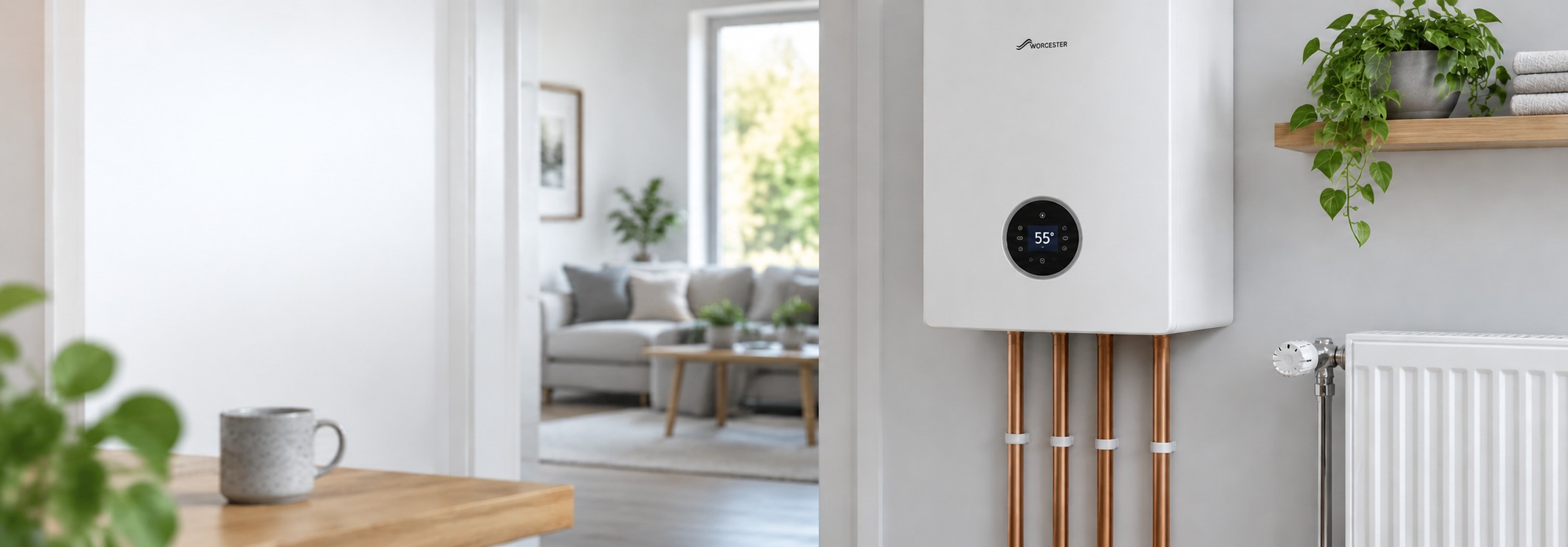

Understand the system you already have
Before changing a boiler, cylinder or radiator, it helps to know how the existing system works. UK homes can have combi boilers, system boilers with hot-water cylinders, regular boilers with tanks, heat pumps or a mixture of older and newer components.
- Identify whether hot water is produced instantly or stored in a cylinder.
- Check where the boiler, cylinder, controls and main isolation points are.
- Think about how many showers and hot taps may be used at the same time.
- Tell your engineer about rooms that are slow to warm, noisy pipework or recurring pressure loss.
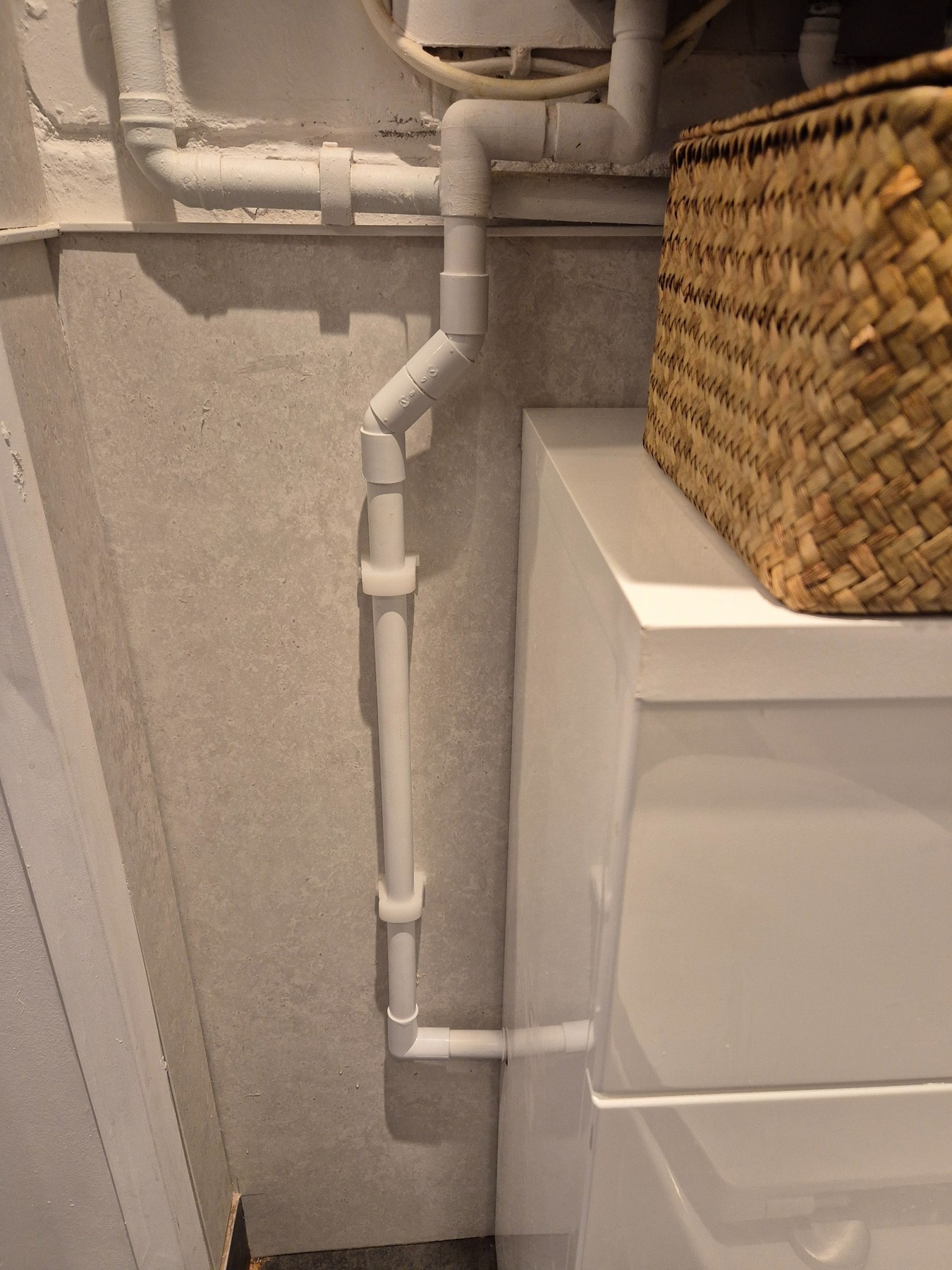

Boilers: replacement, servicing & safety
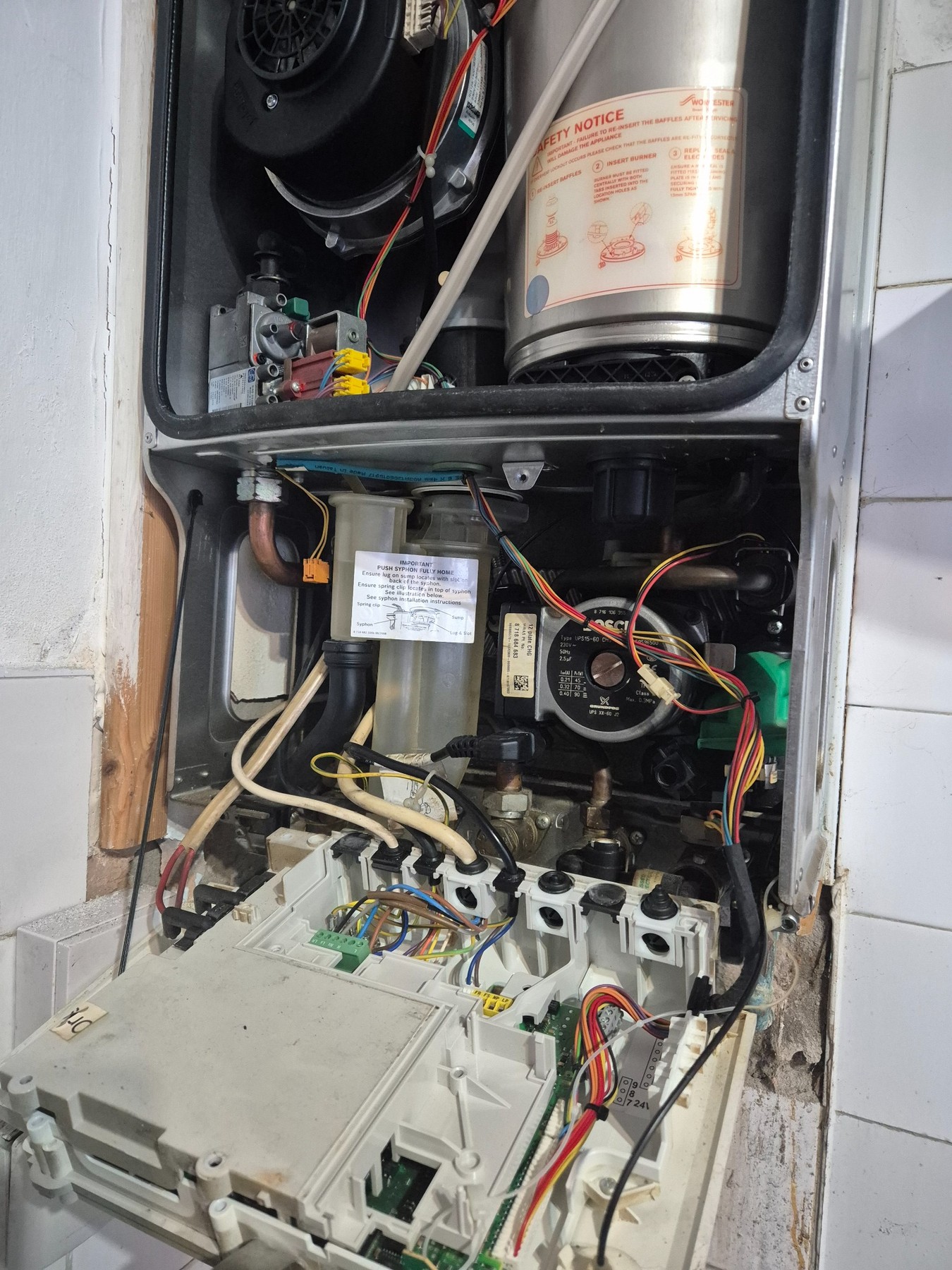
Boiler choice depends on the property, heat loss, hot-water demand and the condition of the existing system. Bigger is not automatically better. Correct design and commissioning help a boiler run efficiently and reliably.
- Gas boiler installation, servicing and gas-related repairs must be carried out by a suitably qualified Gas Safe registered engineer.
- Keep boiler servicing and manufacturer maintenance requirements up to date.
- Do not cover or obstruct required ventilation, flues or service access.
- Ask whether the existing system needs cleaning, treatment or other preparation when a new boiler is fitted.

Hot water: pressure, flow & demand
Good hot-water performance is about more than the boiler. Incoming water flow and pressure, pipe sizing, cylinder capacity, recovery time and simultaneous demand can all affect showers and taps.
- A combi can be convenient, but available mains flow still limits what can be delivered.
- Stored hot-water systems can suit homes with greater simultaneous demand when properly designed.
- New showers and large outlets should be considered as part of the whole hot-water system.
- Hot-water storage and safety controls must be installed and commissioned correctly.

Radiators & towel rails
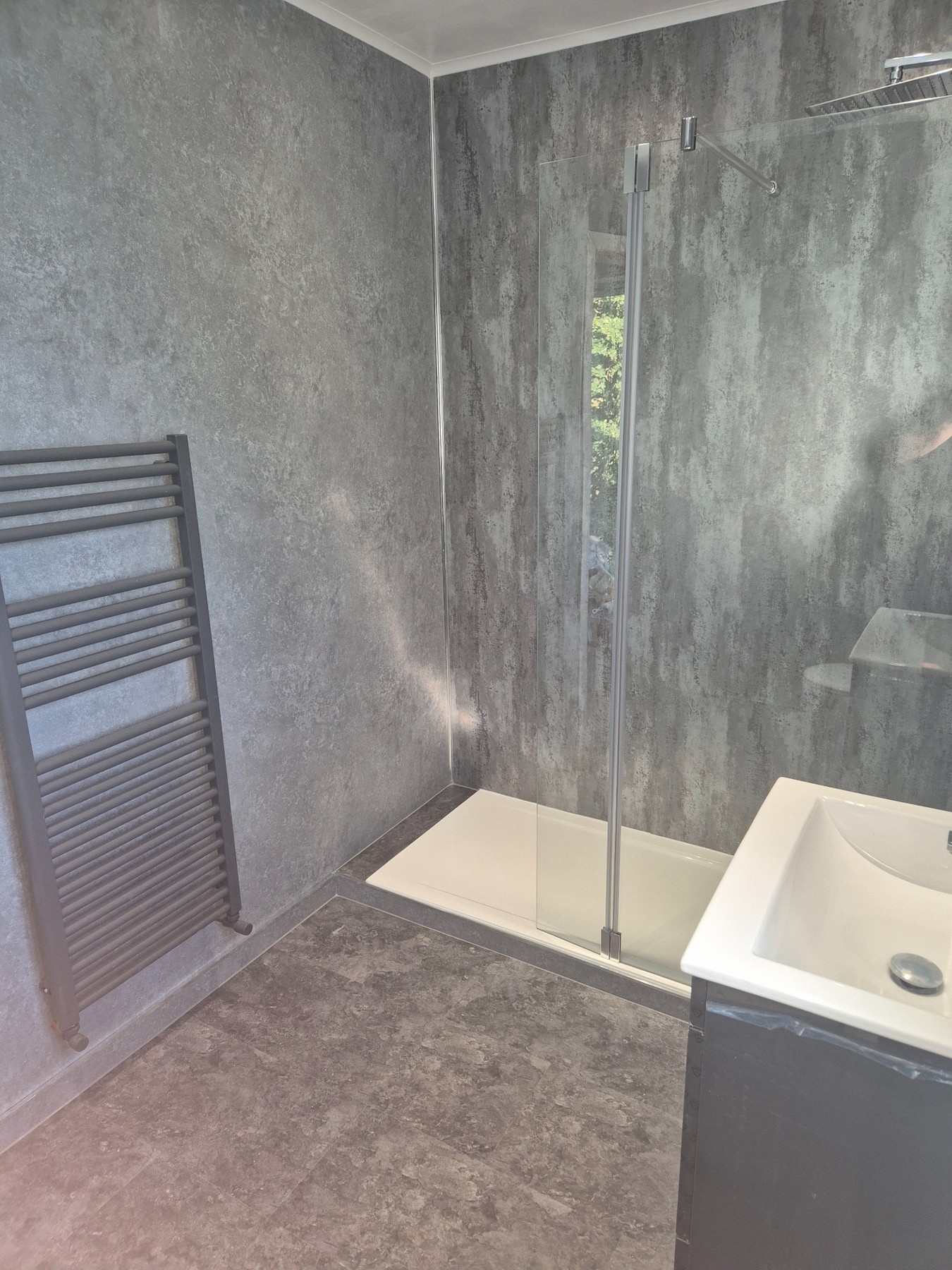
Radiators need enough output for the room at the temperatures the heating system is designed to use. Room size, insulation, glazing and external walls all affect the heat requirement.
- Do not choose a radiator on appearance alone — check the required output.
- Large furniture and radiator covers can reduce useful heat into the room.
- Towel rails are useful for drying but may not always provide enough room heat by themselves.
- When systems are altered, balancing helps radiators receive an appropriate share of flow.

Controls, thermostats & TRVs
Controls help the heating system provide warmth when and where it is needed. Depending on the system, this may include a programmer, room thermostat, thermostatic radiator valves (TRVs), cylinder controls, weather compensation or smart controls.
- Keep the main thermostat somewhere representative of the space it controls.
- Use TRVs to help manage individual room temperatures where appropriate.
- Understand the heating schedule rather than repeatedly turning the boiler temperature up and down.
- Smart controls can add convenience, but they still need to be compatible with the heating appliance and system design.

Pipework, circulation & system condition
Hidden pipework matters. Old systems may contain a mixture of pipe sizes, historic alterations, sludge or restrictions. When heating performance is poor, replacing the boiler alone does not automatically correct problems elsewhere.
- Investigate persistent cold spots, noisy circulation or repeated pressure loss.
- Pipe sizes and routes should suit the required flow through the system.
- Accessible pipework should be supported and protected appropriately.
- When a new heating appliance is installed, the system should be prepared, cleaned and commissioned as required by current guidance and the manufacturer.

Efficiency without making the house uncomfortable
Efficiency is about the heating appliance, controls, emitters and the building working together. Lower system temperatures can improve the performance of some modern heating systems, but only when radiators or underfloor heating can still deliver enough heat.
- Improve obvious draughts and insulation issues where practical.
- Do not reduce heating temperatures blindly if rooms then fail to reach a comfortable temperature.
- Use sensible schedules and avoid heating unused spaces more than necessary.
- Ask whether the proposed system is designed to operate efficiently at lower flow temperatures.
Smart controls, zoning & weather compensation
Once the basic thermostat, programmer and TRVs are understood, more advanced controls can help a well-designed system respond more closely to the home. The aim is not to add gadgets for the sake of it — it is to give the heating system better information about when and how much heat is needed.
- Smart thermostats can provide app control, schedules and useful usage information, but they still need to be compatible with the boiler and system.
- Zoning can allow different parts of a property to operate at different times or temperatures where the system has been designed for it.
- Weather compensation can adjust heating-water temperature according to outdoor conditions instead of always sending the same high temperature around the system.
- Load compensation allows compatible controls to vary boiler output or flow temperature as the home approaches the requested room temperature.
- Hot-water controls on stored systems should give sensible control of heating times and temperature without interfering with the cylinder's safety controls.
Hot-water cylinders & stored water
Cylinders provide a store of hot water and can work with boilers, heat pumps and other heat sources. The right size depends on household demand and how quickly the system can reheat the stored water.
- Do not oversize or undersize purely by guesswork.
- Unvented cylinders include important safety controls and discharge arrangements.
- Stored hot-water temperature control is important for both safety and hygiene.
- Keep access to controls, valves and serviceable components.

Maintenance & warning signs
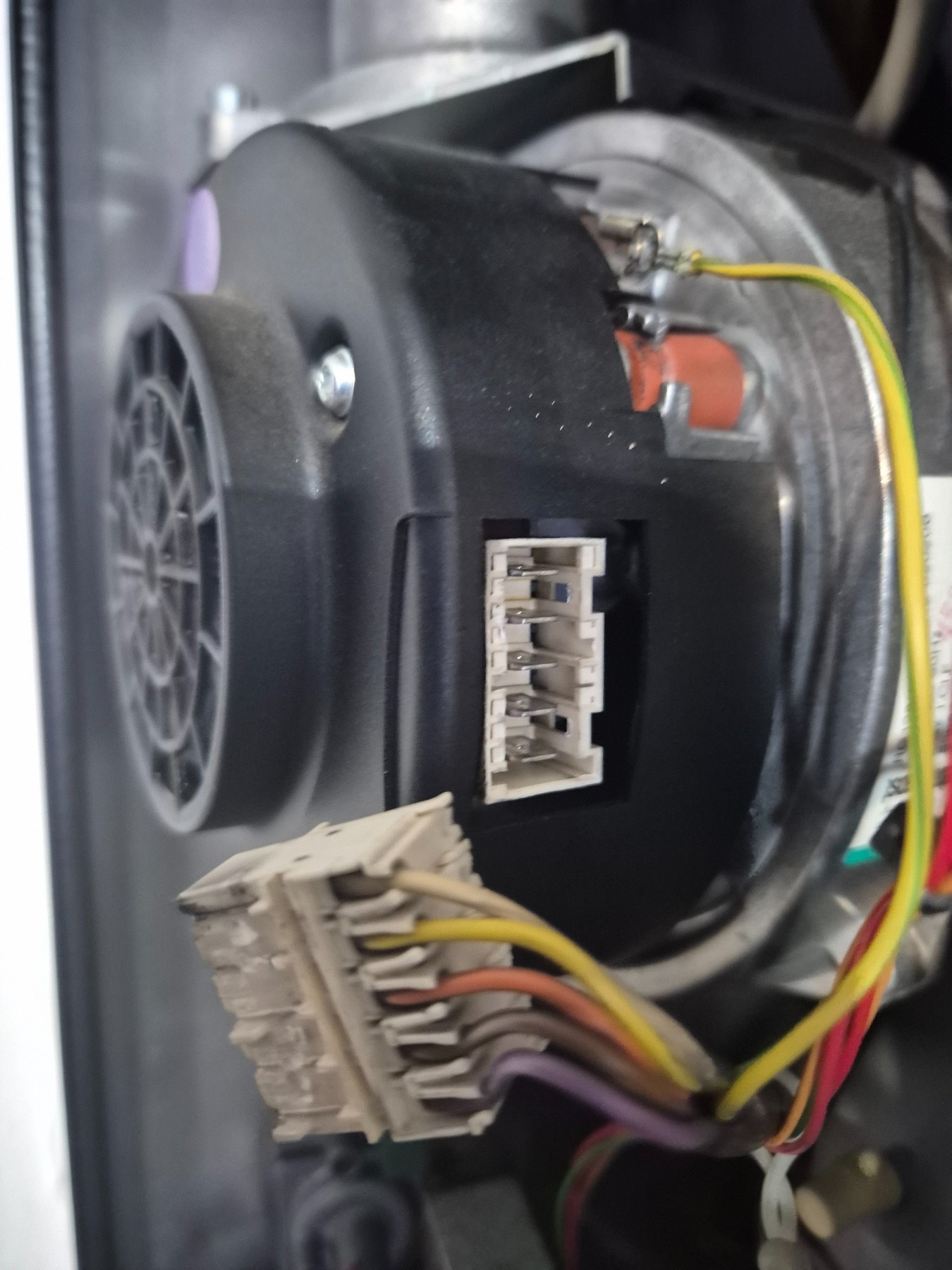
Small problems are often easier to deal with before they become breakdowns. Regular servicing and basic homeowner awareness help protect reliability.
- Notice repeated boiler pressure loss rather than continually topping it up.
- Investigate leaks, staining or corrosion around valves and radiators.
- Bleed radiators only when appropriate and understand how to restore correct system pressure if your system requires it.
- Keep boiler and cylinder service records, manuals and warranties.

Planning an upgrade or replacement
Heating work can affect more than the boiler cupboard. Before agreeing an upgrade, discuss the property, hot-water habits, radiators, controls, pipework and any planned bathroom or extension work.
- Ask what is being retained and what is being replaced.
- Confirm whether building regulations notification or approval applies to the work.
- Ask how the system will be cleaned, treated, balanced and commissioned.
- Keep commissioning information and certificates with the property records.

Handover & homeowner checks
At handover you should understand the basic controls and know who to call if something goes wrong. You do not need to become a heating engineer, but you should be comfortable with normal day-to-day operation.
- Know how to use the programmer/thermostat and adjust room temperatures.
- Know the normal system pressure range where relevant.
- Know where important isolation controls are located.
- Keep the Benchmark/commissioning documentation, appliance instructions and relevant certificates.
- Make sure carbon monoxide alarms required for the installation are present, correctly located and maintained.
Guidance worth knowing about
For homes in England, Building Regulations guidance includes Approved Document L for energy performance and heating/hot-water systems, Approved Document G for hot-water safety, and Approved Document J for combustion appliances. Some heating-system work can require Building Regulations approval or notification.
Current rules depend on the type and timing of the project. The 2026 Approved Document L has been published for the new standards coming into force in 2027, while earlier standards continue to apply under the relevant transitional arrangements. Your installer should confirm which requirements apply to your job.